

Too Busy to Read? We’ve Got You.
Get this blog post’s insights delivered in a quick audio format — all in under 10 minutes.
This audio version covers: Firstmac Now Gives Bridging Clients 12 Months to Sell and Assesses End Debt. The 1% Fee Is Charged on the Peak

Firstmac Bridging, Effective 15 October
Longer to sell, assessed on the debt left after the sale, and no repayments while both properties are held. The cost sits in capitalised interest and a fee on the peak.
Product settings (broker product sheet)
Peak debt vs end debt
Peak debt
Both homesThe new purchase plus the existing loan, plus interest that capitalises each month until the sale settles. The setup fee is calculated on this.
End debt
After the saleWhat remains once the existing home sells. Firstmac says it can assess serviceability on this figure, where applicable.
Model it before you pitch it
- Get a realistic sale price. The end debt is only as good as the sale estimate behind it.
- Capitalise the interest. Run twelve months of interest on the peak, not three.
- Price the fee. 1% of peak debt, not of the end loan.
- Stress the sale. What happens if it sells lower or later?
- Use the lender’s tools. Firstmac provides a Bridging Tool and a Bridging Servicing Calculator.
The takeaway
Twelve months to sell takes pressure off the client. It also gives capitalised interest twelve months to grow. The broker job is to put both numbers in front of the client before settlement.
More at The Broker Times →Sources: Firstmac media release, 20 October 2026; Firstmac Bridging Finance Home Loan broker product sheet (effective 15 October 2026); Firstmac Target Market Determination: Bridging Home Loan (effective 15 October 2026); Australian Broker, 19 October 2026.
Firstmac Gives Bridging Clients 12 Months to Sell. The Fee Is on the Peak
A longer sale window and end-debt servicing will open bridging to more upgraders. The cost of that time is capitalised interest, and a setup fee calculated on the biggest number in the deal.
Key takeaways
- Firstmac has redesigned its bridging loan, giving borrowers up to 12 months to sell their existing home. Its broker product sheet is effective from 15 October 2026.
- There are no repayments during the bridging period. Monthly interest is capitalised to the loan, at a rate fixed for the bridging period that reverts to variable afterwards.
- Firstmac says it can assess serviceability on end debt rather than peak debt, where applicable.
- The product sheet lists a bridging setup fee of 1% of the peak debt loan value, a maximum LVR of 80%, and loans of $50,000 to $3 million, for owner-occupied purchases only.
- Eligibility now includes Category 2 postcodes, and Firstmac has added a Bridging Tool and a Bridging Servicing Calculator for brokers.
Bridging finance has always been a timing product. Firstmac has just given the timing more room.
In a release dated 20 October, Firstmac said its redesigned bridging loan gives customers 12 months to sell their existing property, expands postcode eligibility, lowers fees and offers more flexibility in how borrowing capacity is assessed. Its broker product sheet carries an effective date of 15 October 2026.
The headline will be the 12 months. The broker work is in the arithmetic underneath it.
What Firstmac changed
From the release, the product sheet and the target market determination:
- Bridging period: up to 12 months to sell the existing property.
- Repayments: none during the bridging period; monthly interest is capitalised to the loan.
- Rate: fixed during the bridging period, reverting to variable afterwards.
- Servicing: can be assessed on end debt rather than peak debt, where applicable.
- Limits: maximum LVR 80%; loan amount $50,000 to $3 million; term 15 to 30 years.
- Fees: no application, documentation, settlement, monthly or annual fee; a bridging setup fee of 1% of the peak debt loan value; discharge fees that are waived if the loan goes to full term.
- Eligibility: owner-occupied purchases only, now including Category 2 postcodes.
Firstmac also said it has improved broker compensation and added cash-out options. Australian Broker reported the lender manages $23 billion in residential mortgages.
Why the timing matters now
Upgraders are carrying two properties for longer when homes take longer to sell. TBT reported earlier this month that the median capital-city home is taking 39 days to sell, up from 23, and asked whether a six-month bridging term on your panel is long enough.
Ms Mortimer, quoted in Firstmac’s release, put it simply: “When properties take longer to sell, that timing gap can become even more difficult for homeowners to manage.” A 12-month window means fewer clients forced into a fire sale to meet a deadline.
The rate backdrop matters too. The RBA lifted the cash rate to 4.60% on 29 September, its fourth increase this year, as Australian Broker noted in its coverage. Every month of capitalised interest is charged at today’s rates.
End debt versus peak debt
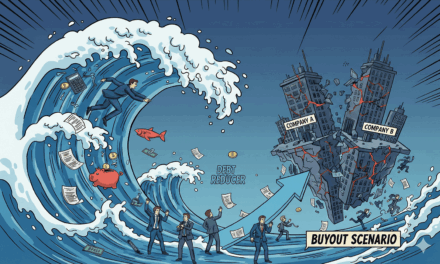
Peak debt is the total owed while both properties are held: the new purchase, the existing loan, and the interest that capitalises each month. End debt is what is left once the existing home sells and the proceeds pay down the loan.
Assessing serviceability on end debt is what Firstmac says “potentially makes bridging finance accessible to more borrowers”. That is fair. A household that can service its end loan comfortably but could never service both loans at once now has a path.
The phrase “where applicable” matters. It is not a blanket rule. Confirm with Firstmac which files qualify before you tell a client their capacity is based on the end loan.

The cost of the extra time
Two numbers decide whether a 12-month bridge is good value for a client.
The first is capitalised interest. With no repayments, interest is added to the balance each month. The longer the sale takes, the larger the balance, and the more interest accrues on the interest. Over twelve months on a large peak debt, that is a material sum that comes out of the sale proceeds.
The second is the setup fee. The product sheet lists it as 1% of the peak debt loan value. Peak debt is, by definition, the biggest number in the deal. On a bridge where the peak is several times the end loan, that fee is calculated on the peak, not on what the client ends up owing.
Neither of these makes the product a bad choice. Against a rushed sale at a lower price, or a sunset clause that forces a decision, they may be the right trade. They do need to be in the comparison the client sees.
The target market and the file note
Firstmac’s TMD states that the product is unlikely to meet the needs of consumers who do not intend to sell an existing property within the 12-month bridging period, or who need longer than 12 months. That gives you a clear file-note line: the client’s sale plan, the expected timing, and what happens if the sale is slower.
Under the best interests duty, a bridge is compared with the client’s alternatives: selling first and renting, a deposit bond, a shorter bridge elsewhere, or waiting. RG 273 asks you to record the recommendations you presented, including alternatives the client did not select. The longer the bridge, the more those alternatives are worth writing down.
A modelling sequence for the next bridging file
- Anchor the sale price. Use a current appraisal and a conservative figure, not the vendor’s hope.
- Build the peak. New purchase plus existing loan plus costs.
- Capitalise interest for the full window. Model 6, 9 and 12 months so the client sees the difference.
- Calculate the setup fee on the peak. 1% per the product sheet.
- Work out the end debt. Peak plus interest plus fee, less net sale proceeds.
- Check servicing on the end debt with Firstmac’s calculator, and confirm the file qualifies for end-debt assessment.
- Stress the sale. Lower price, later sale. Does the end debt still fit inside 80% LVR?
What to watch
If other lenders follow Firstmac on longer windows and end-debt servicing, bridging becomes a mainstream tool for upgraders in a slower market rather than a niche one. Watch for changes at the lenders on your own panel, and for how assessors treat sale-price evidence when the window is a year long.
Broker questions
No. Firstmac says serviceability can be assessed on end debt “where applicable”. Confirm with the lender on each file.
Firstmac’s broker product sheet lists the bridging setup fee as 1% of the peak debt loan value.
The TMD and product sheet describe it as for owner-occupied purchases only.
The rate is fixed during the bridging period and reverts to variable afterwards, per the product sheet. Features such as redraw and additional repayments become available after completion.
The TMD says the product is unlikely to suit consumers who need longer than 12 months. Talk through that scenario with the client and the lender before settlement, and record it.
- Firstmac, Firstmac responds to changing property market with smarter bridging loan, 20 October 2026.
- Firstmac, Bridging Finance Home Loan broker product sheet, effective 15 October 2026.
- Firstmac, Target Market Determination: Bridging Home Loan, effective 15 October 2026.
- Australian Broker, Firstmac extends bridging loan sale window to 12 months, 19 October 2026.
- Broker Daily, policy round-up, 23 October 2026.
Breaking news for modern brokers
Lender policy shifts, regulator findings and market data, read for what they change on your files.
More at The Broker Times →Bridging File Pre-Flight
Tick what you have modelled and recorded. The pre-flight shows what is still missing before you present a 12-month bridge to a client.
Show the client the cost of the extra months
Twelve months is a feature. Capitalised interest is the price.
More at The Broker Times →This checklist is a workflow aid based on Firstmac's published product sheet, release and TMD. It is not a serviceability tool or compliance advice. Confirm terms with the lender.
Disclaimer: This article is for general information and professional development purposes only. It does not constitute legal, compliance, or financial advice. Brokers should consult their aggregator's compliance team and, where required, seek independent legal advice regarding their obligations under the National Consumer Credit Protection Act 2009 and ASIC's responsible lending guidelines.