

When the Platform Goes Down, What Stops?
A broker CRM outage running into a third week is a useful stress test of an assumption most brokerages have never examined: that the system will be there tomorrow.
What is on the record
Length of the Mystro outage as reported on 17 August 2026, having begun in early August
The error returned by the broker dashboard during the outage
Free trial offered to Mystro users on Clearpolicy, a new platform announced by the same chief executive
Date ASIC proposed deregistering Fintek, Mystro’s parent — which the CEO says has been resolved
Source: Broker Daily, “Mystro pledges refunds for downtime as outage enters third week”, 17 August 2026.
Everything one platform now holds
Consolidation is why brokers are more efficient than a decade ago. It also means one vendor failure takes out operations, client service and compliance evidence simultaneously.
What brokers reportedly lost access to
Outages happen to good vendors. The exposure is having a single system that holds your client data, document collection, pipeline and compliance records, with no independent copy and no way to work without it. That is a decision your business made, not one the vendor made for you.
Assume every platform will fail once
The test is not whether your provider is reliable. It is what happens on the day it is not — and whether you could answer a client, progress a file, or evidence a decision without it.
A Broker CRM Has Been Down Three Weeks. The Real Question Is Whether You Could Keep Working
An outage running into a third week is a stress test of an assumption most brokerages have never examined. The useful response is not to change vendors — it is to know what you could do without one.
Mystro, an AI-powered broker CRM, has been offline since early August, with brokers reportedly unable to reach client documents attached to live loan applications. Its chief executive has attributed the outage to a hosting provider, apologised, and pledged refunds. Whatever the cause, the more useful question for every other brokerage is the one it raises: if your platform disappeared tomorrow, what exactly would stop?
In this article
1. What has been reported
Mystro, an AI-powered broker CRM, has been offline since early August, with the broker dashboard returning 404 errors. As of 17 August the outage had entered its third week.
Brokers reported being unable to reach client documents and data attached to loan applications, and the platform’s client onboarding and document collection automation was unavailable. The practical consequence described was brokers having to re-request documents from clients who had already provided them.
Mystro chief executive Dmitry Chourpo attributed the outage to infrastructure: “The issue is with our hosting provider and we are resolving it as we speak.” He declined to provide further specifics.
On compensation, Chourpo said: “We will refund for downtime. If anyone has any problems with refunds, just get in touch with me, and we’ll sort it out.” He also apologised: “I apologise for what happened. I’m doing my best to get the system up and running as quickly as possible.”
Separately, ASIC proposed deregistering Fintek, Mystro’s parent company, on 21 July. Chourpo’s response: “This has been resolved. The company will not be deregistered and will continue operations.”
Chourpo has also announced a new CRM platform, Clearpolicy, and is offering Mystro users a 12-month free trial of it.
Those are the reported facts, and this article does not go beyond them. Outages happen to competent, well-run technology businesses, and nothing here is a judgement about the cause or about anyone’s conduct. What follows is about what any brokerage should take from watching it.
2. The dependency most brokerages have never mapped
Ask a principal broker what their business would do if their CRM were unavailable for a month and you will usually get a shrug, because the question has never been asked seriously.
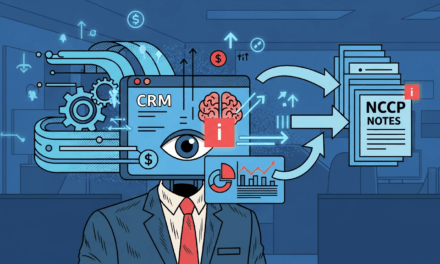
It is worth asking, because the modern broker CRM has quietly absorbed almost everything. It holds the client record and contact details. It stores the documents. It runs the application. It holds the file notes that evidence your reasoning under the Best Interests Duty. It tracks the pipeline and the commission. It sends the client communications. It often holds the only copy of the client’s identity documents.
That consolidation is genuinely good. It is why brokers are more efficient than they were a decade ago, and it is the foundation of the productivity gains aggregators have been reporting. But it means the failure of one vendor takes out operations, client service, compliance evidence and revenue tracking simultaneously.
Consolidating everything into one platform is efficient right up to the moment it is the only thing that has failed.
3. The compliance dimension people forget
The operational disruption is obvious. The compliance exposure is not, and it is arguably more serious.
Under the Best Interests Duty, you need to be able to demonstrate the basis for your recommendations. That demonstration usually lives in file notes and supporting documents inside the CRM. If those records are unavailable — temporarily or permanently — your ability to respond to an aggregator audit, a lender query, an AFCA complaint or an ASIC review is impaired, and the impairment is not an excuse anyone is obliged to accept.
There is also a privacy and data-handling dimension. Where client identity documents, income evidence and bank statements are held is a question you should be able to answer, and having asked it before an incident is materially better than asking during one.
The practical standard to hold yourself to is simple: if your primary platform were unavailable indefinitely, could you still evidence the advice you gave? For most brokerages the honest answer is no, and that is fixable at low cost.

4. Data portability is the thing to check first
Before you evaluate any platform’s reliability, evaluate your ability to leave it.
Three questions, in order. Can you export your complete client and application data yourself, on demand, without asking the vendor? What format does it come out in — a structured file you could load elsewhere, or a PDF dump that is technically an export and practically useless? And does the export include the attached documents, or only the records that point at them?
That third question is where most brokerages discover a problem. Many exports return the data but not the files. If your client’s payslips, identity documents and statements live only inside the platform, an export that omits them has not protected you.
The related question is contractual: what happens to your data if the vendor ceases operating, is acquired, or terminates your account? This is usually addressed somewhere in terms most people have never read, and it is worth ten minutes finding out what yours says.
5. What continuity actually looks like for a small brokerage
This does not require an IT department or a second CRM. It requires a small number of deliberately boring habits.
- Run a monthly export and store it somewhere else. Not on the same platform, not in the same vendor’s cloud. A dated folder in your own storage is enough. Check once that it actually contains the documents, not just the records.
- Keep an independent client contact list. Names, phone numbers and email addresses, outside the CRM. In an outage this is the difference between calling your clients and being unable to reach them.
- Know where your live pipeline is. A simple external list of files in progress, lender, stage and key dates. It takes minutes to maintain and it is what lets you keep working on day one of an outage.
- Keep a copy of critical compliance records. For files still within your record-keeping obligations, ensure the reasoning and supporting documents exist somewhere you control.
- Write a one-page outage plan. Who tells clients, what you tell them, what work continues manually, and at what point you escalate to your aggregator. One page, written before you need it.
- Read your vendor’s terms on data and termination. Specifically what happens to your data if the relationship ends for any reason, and how you get it back.
- Ask your aggregator what they hold. Aggregator platforms often retain a copy of lodgement data independently of your CRM. Knowing what they can reproduce narrows your real exposure considerably.
6. How to handle clients during a vendor outage
If this happens to you, the client conversation is the part you can control most easily and get wrong most easily.
Tell them early rather than when they notice. A client who hears from you on day two that a system issue may slow things down is inconvenienced. A client who works it out on day ten from your silence has concluded something about your competence.
Be accurate and unembellished about the cause. It is a technology provider issue, you are managing it, and here is what it means for their file specifically. Do not speculate about the vendor, and do not over-promise a resolution date you do not control.
Where you have to re-request documents a client already provided, acknowledge that it is frustrating and explain why. Most clients accept this readily when it is explained and resent it when it is not.
And record what happened on the file. If a delay affects a finance clause, a rate lock or a settlement date, the contemporaneous record of the cause and what you did about it is what protects you later.
7. What to watch next
- Restoration of the platform and whether any explanation of the root cause is provided to users.
- How the refund commitment is administered in practice for affected brokers.
- Whether aggregators issue continuity guidance to members on third-party CRM dependency.
- Your own vendor’s data export capability — the one thing on this list you can check today regardless of which platform you use.
- Contractual data terms across the major broker platforms, which vary more than most users assume.
Key takeaways
- Mystro has been offline since early August, with the broker dashboard returning 404 errors and brokers reportedly unable to reach client documents attached to live applications.
- CEO Dmitry Chourpo attributed the outage to the hosting provider, apologised, and committed to refunding downtime. He also said an ASIC proposal to deregister parent company Fintek on 21 July has been resolved.
- A modern broker CRM holds client records, documents, applications, compliance file notes and pipeline data — so a single vendor failure takes out operations and compliance evidence simultaneously.
- Check whether your platform’s data export includes the attached documents, not just the records that reference them. Many do not.
- A monthly export stored elsewhere, an independent client contact list and a one-page outage plan cover most of the real exposure at almost no cost.
Broker FAQ
Should I switch CRMs because of this?
Not on the strength of one outage. Outages happen to well-run vendors, and switching platforms is expensive and disruptive. The better response is to make yourself resilient to any vendor failing, which also improves your position with your current provider.
What is the single most important thing to check?
Whether you can export your complete client and application data yourself, on demand, and whether that export includes the attached documents. Many exports return the records but not the files, which is the gap that matters.
Does an outage excuse me from my compliance obligations?
No. If you cannot produce the reasoning behind a recommendation, the reason you cannot produce it is not a defence. That is why keeping compliance records somewhere you control is worth doing before you need them.
What should I tell clients during an outage?
Tell them early, describe it accurately as a technology provider issue, explain what it means for their file specifically, and avoid promising a resolution date you do not control. Record the impact on the file, particularly where it touches a finance clause or settlement date.
Does my aggregator hold a copy of my data?
Often, at least for lodgement data. It is worth asking exactly what they retain and could reproduce, because it may narrow your real exposure considerably.
- Broker Daily, “Mystro pledges refunds for downtime as outage enters third week”, 17 August 2026, including direct quotes from Mystro chief executive Dmitry Chourpo.
Breaking news for modern brokers
Operational risk covered the way it actually affects a brokerage.
Could You Keep Working Without Your Platform?
Seven things that take an afternoon in total and cover most of the real exposure. Tick them off as you go — the list is printable if you want it on the wall.
Run a full export and store it somewhere else
Not on the same platform and not in the same vendor’s cloud. A dated folder in your own storage is enough. An export capability you have never tested is an assumption, not a control.
Check the export actually contains the documents
This is where most brokerages find a problem. Many exports return the records but not the attached files. If client payslips, identity documents and statements live only inside the platform, an export that omits them has not protected you.
Keep an independent client contact list
Names, phone numbers and email addresses, outside the CRM. In an outage this is the difference between calling your clients and being unable to reach them at all.
Maintain an external list of your live pipeline
File, lender, stage and key dates. It takes minutes a week and it is what lets you keep working on day one rather than day ten.
Secure your compliance records
For files still within your record-keeping obligations, make sure the reasoning and supporting documents exist somewhere you control. If you cannot produce them, the reason you cannot will not help you in a review.
Read your vendor’s terms on data and termination
Specifically what happens to your data if the vendor ceases operating, is acquired, or terminates your account. Ten minutes, and it tells you what your actual exposure is.
Ask your aggregator what they hold
Aggregator platforms often retain lodgement data independently of your CRM. Knowing what they could reproduce may narrow your real exposure considerably.
A note on what this is. This is a prompt for reviewing your own systems, not a comment on any particular vendor. Outages happen to well-run technology businesses; the point is what your business can do independently of any one of them.
Disclaimer: This article is for general information and professional development purposes only. It does not constitute legal, compliance, or financial advice. Brokers should consult their aggregator's compliance team and, where required, seek independent legal advice regarding their obligations under the National Consumer Credit Protection Act 2009 and ASIC's responsible lending guidelines.